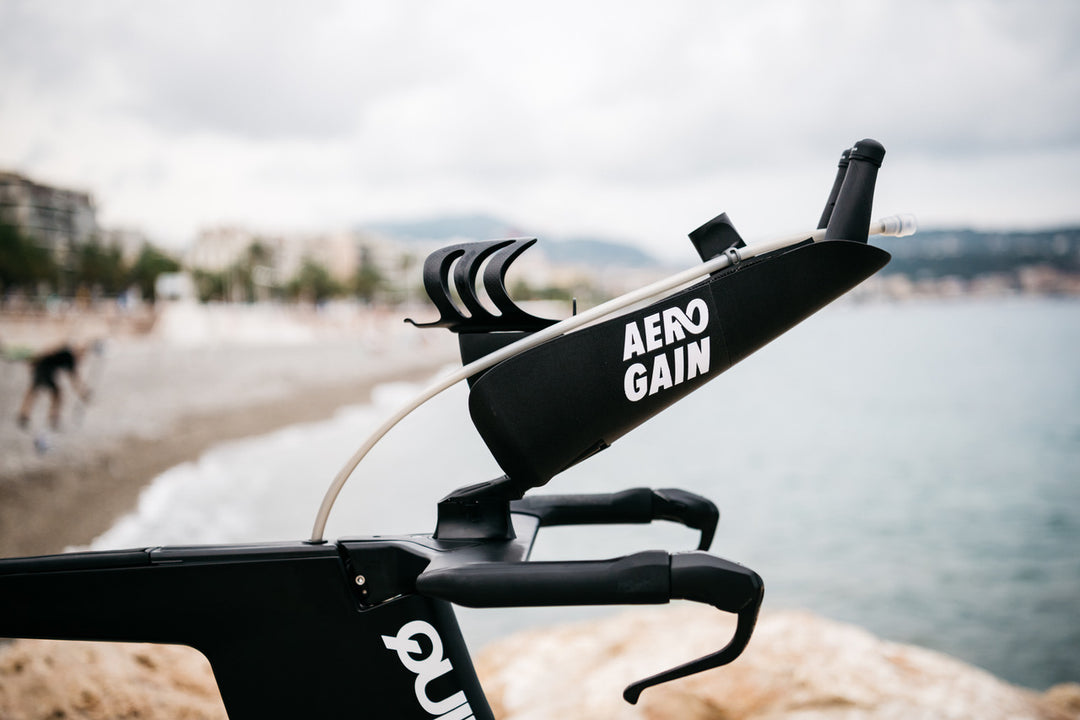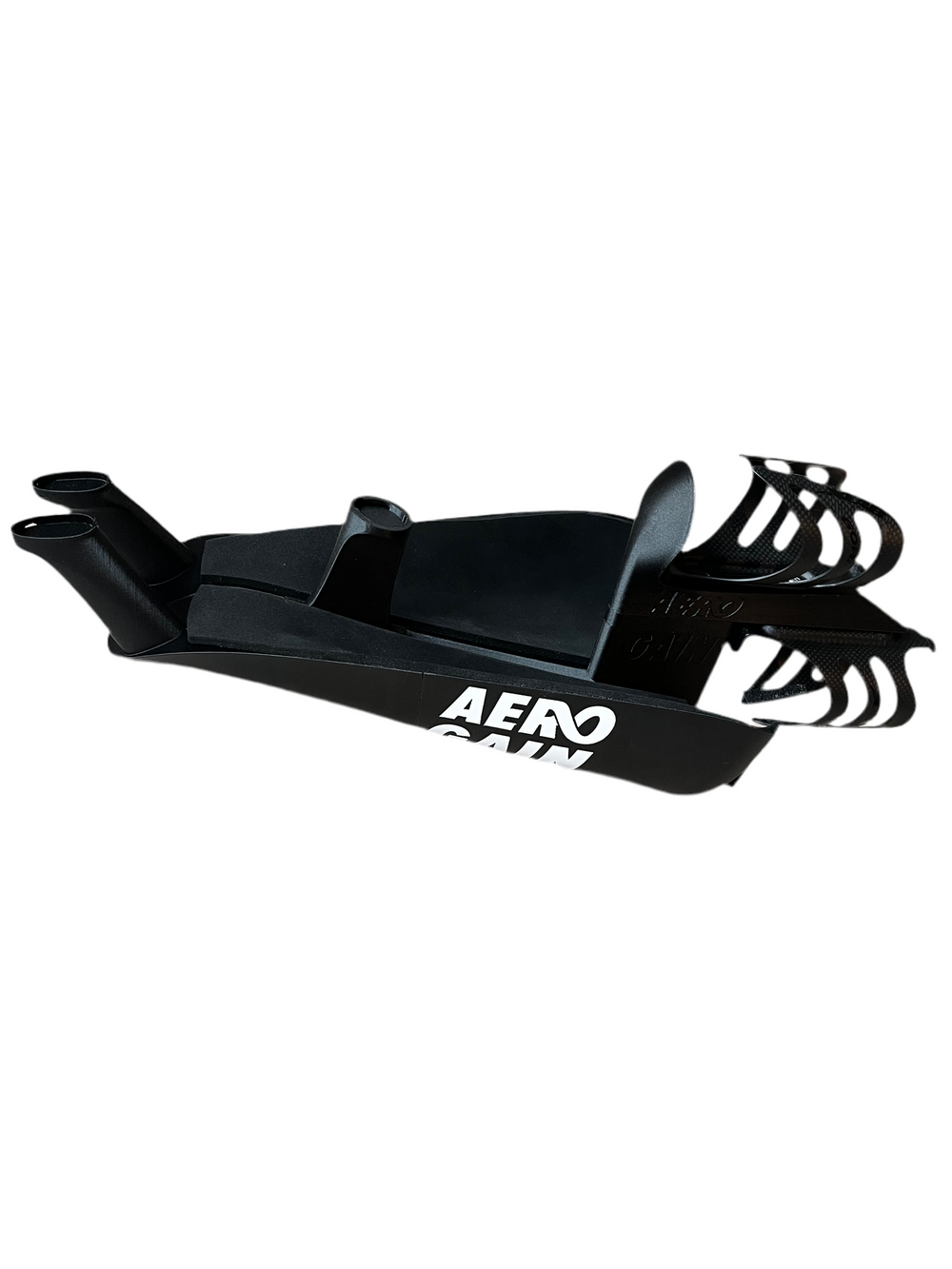

The Process of Creating the Aero Cockpit
-By Kristoffer Visti Graae, Founder
In early 2020, custom-molded carbon cockpits began to appear in pro triathlon, and that sparked a deeper curiosity. At the time, I was racing professionally myself - and spending far too many hours procrastinating during my PhD. Naturally, I decided I needed those aero gains too. The very first “cockpit” was extruded foam, cut to fit my forearms, then gift-wrapped in duct tape. It worked—sort of. Early versions had a large central support, but after several iterations and some aero testing on the velodrome, that chunk disappeared in favor of a sleeker, lower-profile design.

This setup was mine alone until a much faster training partner raced a version of it at the 2020 Clash Daytona. After that, chaos ensued. Suddenly everyone and their dog, was taping over aero bars and strapping yoga mats to their bikes. Over the next year, both the foam-and-tape approach and my sculpting skills reached their limits. So I bought my first desktop 3D printer and started iterating properly. By testing different shapes and validating indoor aero tests with outdoor testing at higher yaw angles, a clear trend emerged: a smooth, rounded underside consistently outperformed more angular designs—as well as separate, individual extensions. Not everything was about pure drag numbers though; ergonomics and finish steadily improved along the way. Can you spot the crazy bottle placements too?
AeroGain launched in 2024, and the Aero Cockpit followed in 2025. And we’re still not done. We continue to refine the shape and ergonomics, still chasing the next aerodynamic gains—because that’s kind of the whole point.